Hong Kong Insurance Professional Loses More Than HK$26 Million in Online Romance Investment Scam
Police received 25 romance-linked investment fraud reports from July 24 to 30, with combined losses nearing HK$70 million.

A woman in her 50s handed over cash and transferred funds after a man who followed up on an insurance inquiry gained her trust and introduced her to cryptocurrency investing, police said.
A veteran female insurance professional in Hong Kong lost more than HK$26 million (US$3.3 million) in an online romance investment scam involving a man presented to her as an automobile trader and another person described as an investment expert, according to an Aug. 1 report by Hong Kong 01 citing police.
The case was the largest of 25 romance-linked investment fraud reports received by police from July 24 through July 30, 2026. The cases resulted in combined losses of nearly HK$70 million, the report said.
The insurance professional’s contact with the alleged scheme began in July 2025. A friend introduced her to a woman who said she wanted to discuss insurance. The woman later said she was unfamiliar with the subject and referred the matter to a man identified in the report only as “Uncle,” who claimed to be involved in buying and selling automobiles.
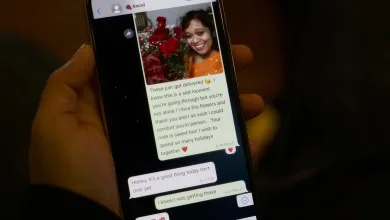
The man and the insurance professional communicated through WhatsApp. He regularly expressed concern for her well-being, and the two later developed an online romantic relationship.
During their conversations, the man repeatedly claimed to be skilled at investing. He introduced the woman to cryptocurrency and persuaded her to download an app presented as a cryptocurrency investment platform.
He later introduced her to another person who claimed to be the platform’s owner and an investment expert. That person befriended the woman and offered to manage her digital wallet.
Between August 2025 and February 2026, the woman personally delivered more than HK$4 million in cash to accomplices at several locations in Hong Kong, according to the police account reported by Hong Kong 01. She also made multiple transfers totaling nearly HK$22 million to different mule accounts supplied by those behind the alleged scheme.
By July 2026, the app showed a paper profit of more than eightfold. When the woman asked to cash out, her request was denied. The man with whom she had formed the online relationship and the purported investment expert then stopped communicating with her, leading her to realize that she had been deceived.
Police said that even someone with a professional financial background can be deceived when emotional trust weakens normal caution. Authorities urged the public to remain alert and directed people to the police website for current fraud-prevention information.
The report also noted that the police website provides an online tool that can be used to assess the risk associated with suspected fraudulent websites, bank accounts and telephone numbers.
Hong Kong 01 did not name the investment app or the people alleged to have participated in the scheme. Its report did not state whether arrests had been made, whether any of the money had been recovered or what stage the police investigation had reached.