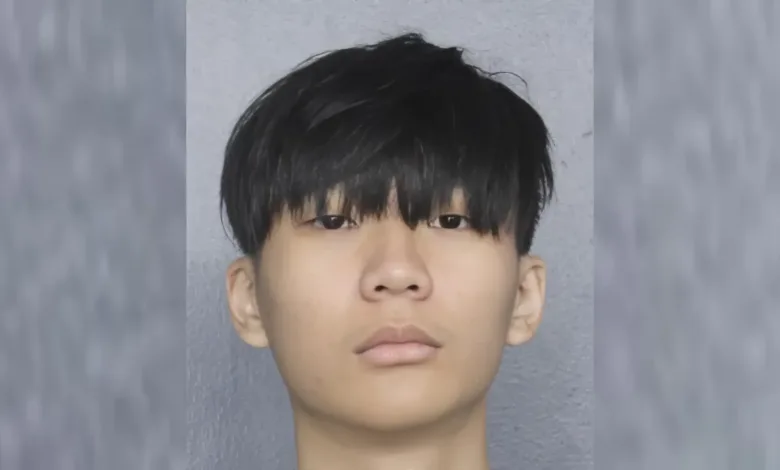

A 22-year-old Miami man pleaded guilty Tuesday to orchestrating the theft of nearly $245 million in bitcoin from a Washington, D.C. resident, a scheme federal prosecutors count among the largest cryptocurrency thefts ever carried out in the United States.
Malone Lam, who dropped out of school in the eighth grade and moved to the United States from Singapore, admitted to a single federal racketeering conspiracy charge and now faces up to 20 years in prison. U.S. District Judge Colleen Kollar-Kotelly scheduled a status hearing for Dec. 8.
Prosecutors say Lam organized a network of young men behind a series of cryptocurrency scams that began in 2023. He is one of 18 people charged in the case and the 11th to enter a guilty plea, a development officials are treating as a significant step forward in the broader federal investigation.
A social-engineering heist
Court filings describe how Lam and his associates used social-engineering tactics in August 2024 to steal more than 4,100 bitcoin — worth upward of $245 million — from the Washington victim. Two alleged co-conspirators posed as representatives of Google and the cryptocurrency exchange Gemini, prosecutors said, tricking the victim into granting access to his Google Drive account and handing over security codes that let Lam empty his crypto holdings.
Investigators say the conspiracy also leaned on lower-tech tactics, including break-ins at victims’ homes to gather information used to access their accounts. Members are said to have first connected through online gaming, with participants based in California, Connecticut, New York, Florida and abroad.
A monthlong spending spree
Authorities say Lam laundered the stolen funds into cash and poured them into an extravagant lifestyle: private jets, rented mansions in Miami, a fleet of sports cars, and lavish nights out, including one $569,000 evening at a Los Angeles nightclub. His purchases eventually ran to more than 30 vehicles — among them custom Porsches, Lamborghinis and Ferraris — plus a $2 million watch, according to the FBI.

The spree lasted roughly a month before FBI agents arrested Lam on Sept. 18, 2025, at a rental home in Miami, where photos released by the U.S. Attorney’s Office showed several exotic cars parked outside. The indictment states that an off-duty law enforcement officer had warned Lam that agents were coming for him.
Within the group, Lam is alleged to have used the aliases “Anne Hathaway,” “$$$,” and “King Greavy.” In a recorded jail call cited in the indictment, he told associates he had never expected things to unravel so dramatically.
U.S. Attorney Jeanine Ferris Pirro framed the plea as a warning to other cybercriminals. “If you build a cybercrime empire, we will find you,” she said in a statement, characterizing Lam’s network as one built on deception and privacy violations that cost victims hundreds of millions of dollars, and pledging continued work with the FBI and IRS Criminal Investigation against others involved.
At Tuesday’s hearing, after Lam acknowledged he had personally bought most, though not all, of the vehicles tied to the case, the judge asked whether he could say which ones. “I would need some time,” he replied.