$1.8 Million Romance Scam: Repeat Fraud Offender Pleads Guilty
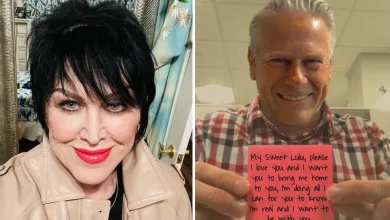
Troy Clinton Van Sickle, 55, of Temecula, California, pleaded guilty to a multimillion-dollar romance fraud scheme involving two women. Prosecutors say he used fabricated business opportunities, false promises of repayment, and romantic relationships to gain access to their money.

California man with 10 prior fraud-related convictions has pleaded guilty to stealing more than $1.8 million from two elderly women through fraudulent romantic relationships and investment-related claims, according to the U.S. Department of Justice.
Troy Clinton Van Sickle, 55, of Temecula, admitted in federal court that he targeted a wealthy divorced woman in Los Angeles and another woman in San Diego, gaining their trust by presenting himself as a successful businessman interested in a romantic relationship.
According to the U.S. Attorney’s Office for the Southern District of California, Van Sickle also admitted obstructing the federal investigation into his activities.
The money was allegedly used for personal expenses, including payments on luxury vehicles, casino gambling, and transfers to other women. Prosecutors say he never intended to repay the victims.
A Romantic Relationship Used to Gain Financial Access
According to the plea agreement, Van Sickle concealed his criminal history, which included convictions for fraud, theft, extortion, and perjury.
Instead, he portrayed himself as a trustworthy and successful businessman. After establishing a relationship with the Los Angeles victim, he claimed to be experiencing financial difficulties and asked her to provide money for business deals and investment opportunities.
He promised to repay the funds quickly and share the profits.
Those promises were false, according to the Justice Department. Van Sickle admitted that he used the money for his own benefit and that of others rather than for the purposes he had described to the victim.
The case illustrates how romance fraud can involve more than requests for emergency assistance. A scammer may also present fabricated business ventures and investment opportunities to make financial requests appear legitimate.
A Fake Business Deal and a $734,000 Ferrari
One of the most striking episodes involved a purported miniature replica car company.
According to the plea agreement, Van Sickle created a fake company and presented the woman with a fraudulent multimillion-dollar contract supposedly involving Lotus Cars. The document was intended to make the business appear legitimate.
The woman forwarded the contract to her financial adviser and then wired $150,000 to Van Sickle to fund the purported agreement.
Prosecutors say Van Sickle used that money to make a payment on a 2022 Ferrari SF90 Stradale that he had purchased the previous month for $734,000.
The transaction demonstrates how fabricated commercial documentation can be used to reinforce a scammer’s claims of wealth and business credibility.
In this case, the victim did not simply receive a request for money from someone she had met online. She was presented with what appeared to be a substantial business opportunity, supported by a purported contract involving a well-known automotive brand.
Alleged Fraud Against a Second Woman
The plea agreement describes a similar scheme targeting a woman in San Diego.
Van Sickle allegedly developed a supposed romantic relationship with the second victim to gain access to her finances. As in the Los Angeles case, he used the money for luxury vehicles, gambling, and other women, and did not intend to repay it.
Between 2022 and 2024, Van Sickle received more than 30 money transfers from the two women. The total exceeded $1.8 million.
According to prosecutors, he acknowledged knowing that the women were vulnerable because of their age, health, and trusting nature.
As of the Justice Department’s October 6 announcement, he had not repaid any of the money.
Attempts to Conceal the Money and Obstruct the Investigation
The case also involved efforts to conceal the transactions and mislead federal authorities.
At the time of the offenses, Van Sickle was under federal supervision for an earlier fraud conviction. He had been ordered to pay $250,000 in restitution to nine victims of that previous offense and was required to report his financial resources accurately to his probation officer.
According to the plea agreement, Van Sickle submitted a false financial disclosure that omitted money received from the Los Angeles victim, luxury cars he had purchased and sold, and his gambling winnings and losses.
When he learned that the FBI had contacted the woman about the money she had transferred, he allegedly pressured her to delete text messages and lie to investigators.
Prosecutors say he also directed her to sign a fraudulent promissory note portraying the transfers as a lump-sum loan repayable over 10 years. He further directed her to sign a false statement claiming that he had already paid her $140,000.
Van Sickle then disclosed the purported loan and the documents to his probation officer while falsely claiming that the payment had been made.
These actions formed part of the conduct described in the federal case.
Federal Charges and Upcoming Sentencing
Van Sickle pleaded guilty to charges involving wire fraud, money laundering, and making a false statement.
The Justice Department’s announcement identified the following maximum statutory penalties for the charges:
- Wire fraud: Up to 30 years in prison and a $250,000 fine.
- Money laundering: Up to 10 years in prison and a $250,000 fine.
- Making a false statement: Up to five years in prison and a $250,000 fine.
These are the maximum penalties listed for the respective offenses, not a prediction of the sentence he will receive.
As of October 6, 2026, sentencing was scheduled for January 15, 2027, before U.S. District Judge Ruth Bermudez Montenegro. Van Sickle was also scheduled to appear on October 20, 2026, for a preliminary proceeding concerning the possible revocation of his supervised release.
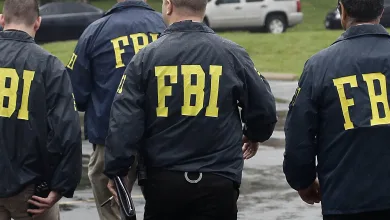
The case is being prosecuted by Assistant U.S. Attorney Patrick C. Swan. The investigation was conducted by the FBI and the IRS Criminal Investigation division.
Warning Signs of Romance and Investment Fraud
The allegations in this case highlight several warning signs that people should recognize when communicating with someone they have met online:
- Romantic attention followed by financial requests. A person may use an apparent romantic relationship to establish trust before asking for money.
- Business opportunities that cannot be independently verified. Contracts and company documents can be fabricated. Their appearance alone does not establish that a deal is genuine.
- Promises of quick repayment and future profits. Claims that money will soon be returned, particularly with additional profits, should be checked independently.
- Requests to send money directly to another person. Transfers should not be made solely on the basis of documents or explanations supplied by someone met online.
- Pressure to conceal communications or mislead authorities. Requests to delete messages, provide false information, or sign documents that do not accurately reflect transactions are serious warning signs.
People who suspect romance fraud should preserve messages, financial records, payment confirmations, and any documents received from the suspected scammer. They should contact their financial institution promptly if money has been transferred and report suspected fraud to the appropriate authorities.