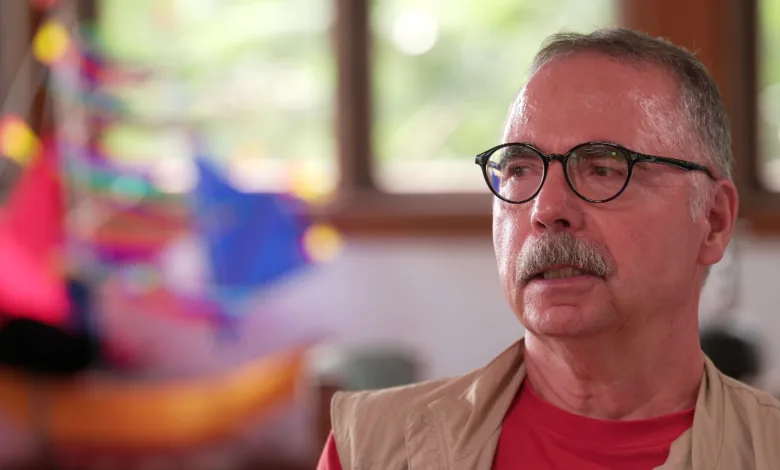

Michael, a 73-year-old retired psychologist, believed he had found a soulmate in Melanie, a softly spoken nurse from South Africa. Over a year, the two exchanged messages, emails and phone calls and spoke regularly by video.
Melanie sent him personal photographs, documents including a passport, a South African identification card and nursing registration details.
Michael said Melanie’s voice, face and mannerisms during video calls matched the woman he had come to know online. When she asked for financial help, he transferred money to her. He ultimately lost about $180,000.

Melanie did not exist. Scammers had stolen the identity of a US doctor who was unaware of the scheme. They used photos and videos from her social-media accounts, altered some images and used voice-cloning technology, artificial intelligence and face-swapping applications to create a convincing digital identity for video calls.
Dr Priyanka Singh, a digital-forensics specialist at the University of Queensland, examined a 10-minute recording of one call between Michael and “Melanie.” She found distortions in the woman’s earrings and hair, changes in the shape and position of the chair behind her, and an image in which her hand appeared to have six fingers.

Singh said deepfake technology has advanced quickly over the past five years and that people are inclined to trust what they see during live video calls.
Michael’s daughter had expressed concerns about Melanie. In his final recorded call, he confronted the person behind the account and accused them of running a scam. The caller attempted to persuade him to send more money before ending the conversation.
Michael reported the fraud to police, but said recovering the money and tracing the people behind the scheme is impossible because they are based overseas. He has since closed his internet accounts and said meeting someone in person is the best way to find love.